Learning Modules
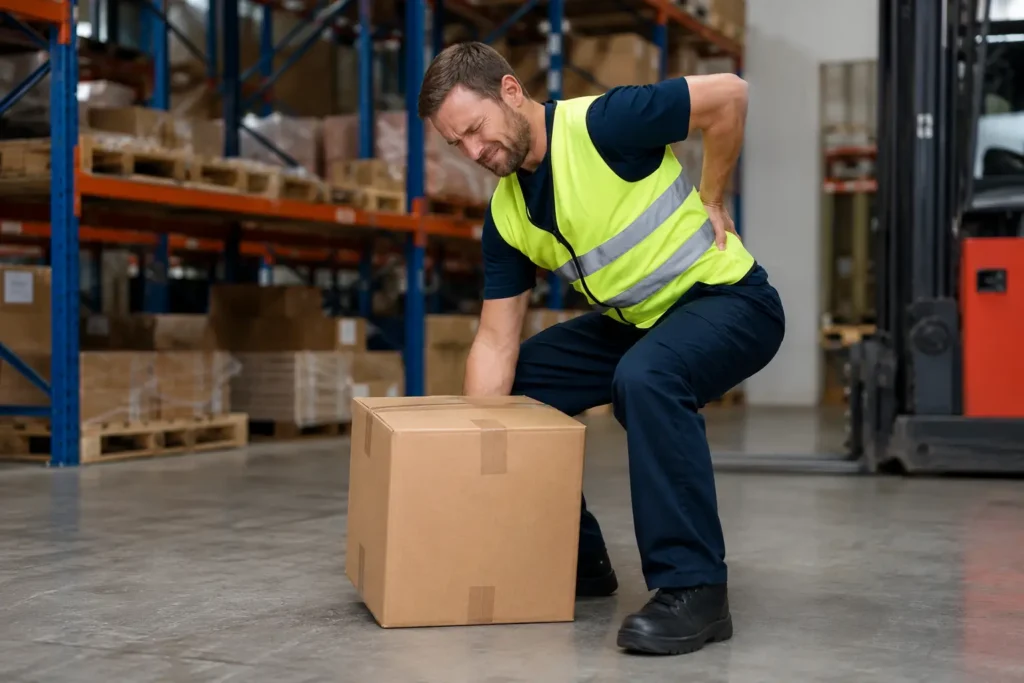
Back Safety
This course looks at the potential causes of back injuries, how to avoid them, safe lifting, alternative methods of lifting and carrying, and how to maintain a healthy back.
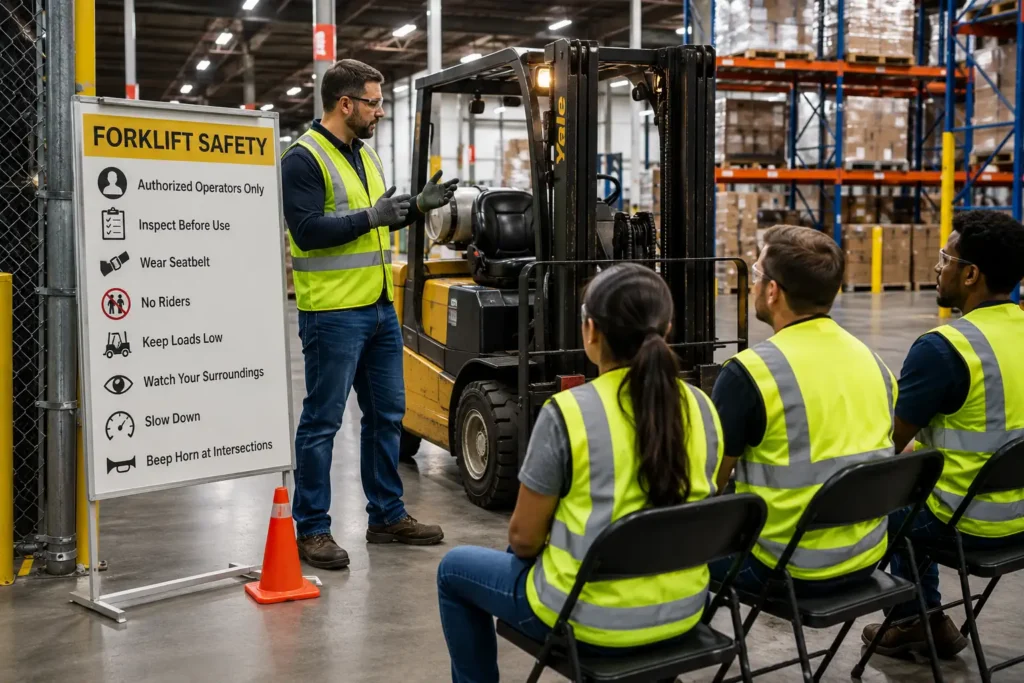
Forklift Safety Training – Part 1
Part 1 of this course covers basic safety and component information, center of gravity and operating hazards.
Forklift Safety Training – Part 2
Part 2 of this course centers around forklift inspection and operation, load handling and forklift refueling.
Harassment in the Workplace
This course explores the definition of harassment and bullying, how they differ, the negative effects, and ways your company can develop policies against bullying.
Hazard Communication
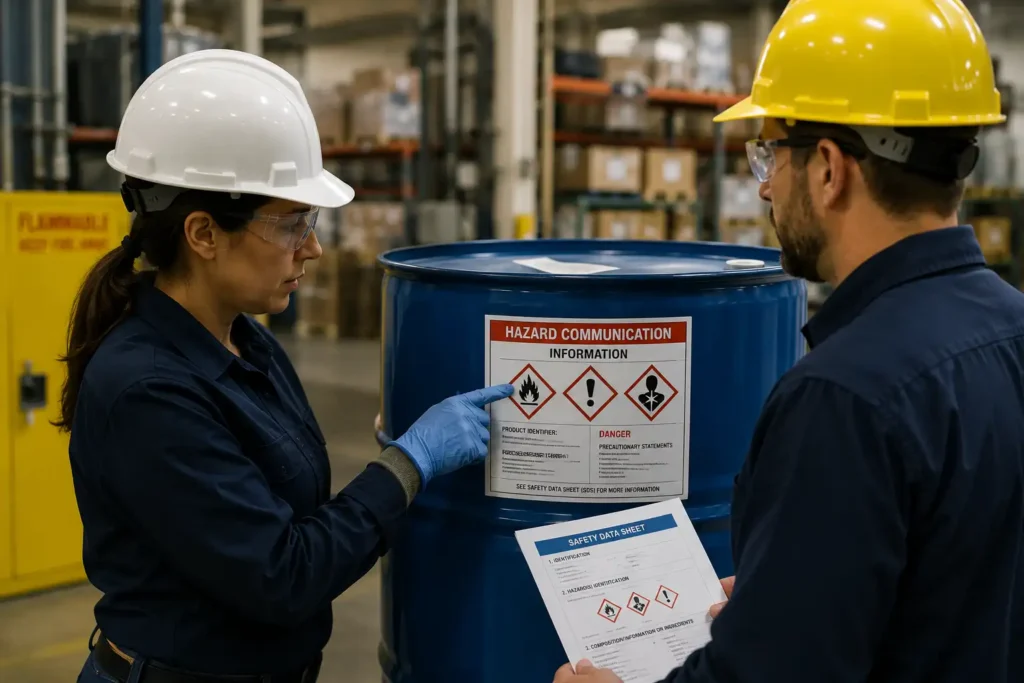
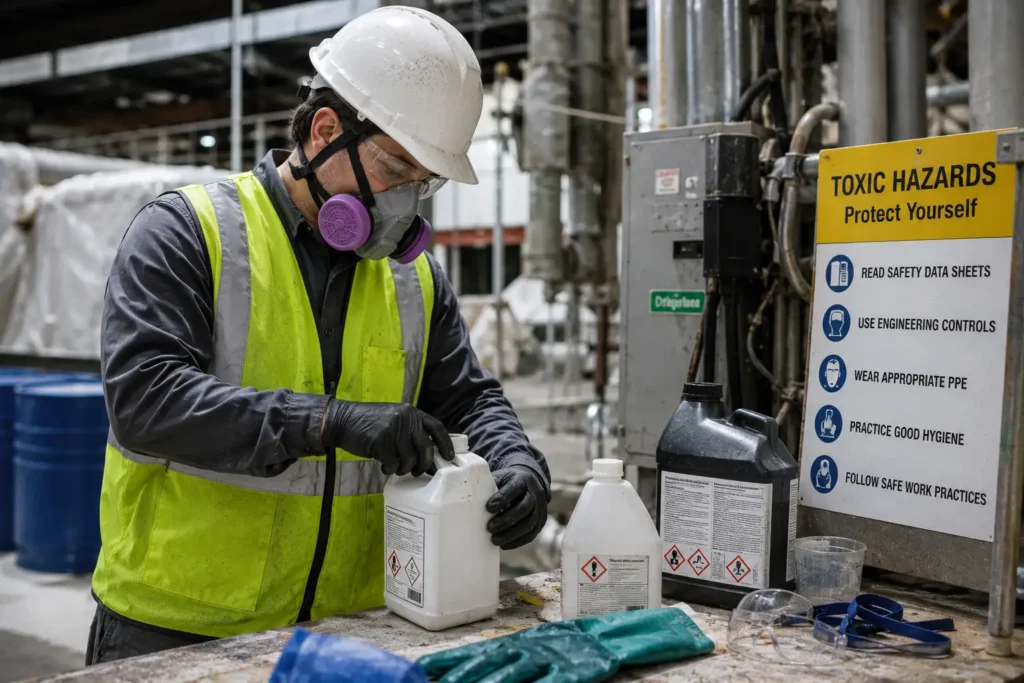
This course focuses on OSHA’s hazard communication standards, defining and identifying hazardous material, ways to prevent and minimize hazards, safety data sheets and changes implemented with the Globally Harmonized System of Classification and Labeling chemicals.
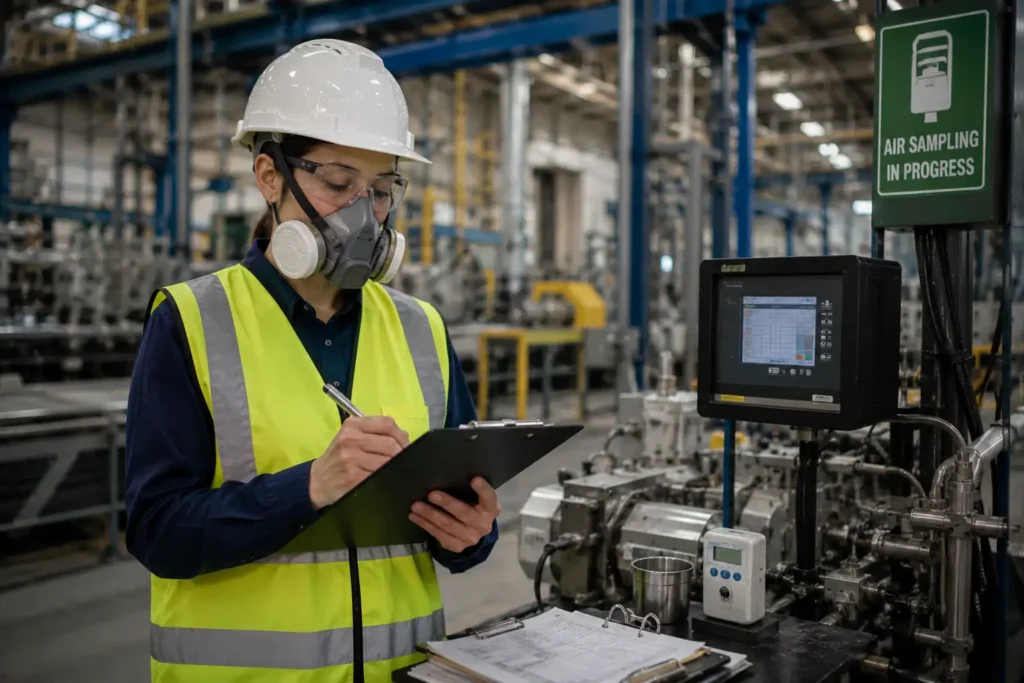
Indoor Air Quality
This course looks at the primary sources of indoor air quality problems, the main indoor pollutants, building problems that cause employee complaints, how to investigate employee complaints, OSHA indoor air quality inspections and what can be done to prevent or alleviate indoor air quality problems.
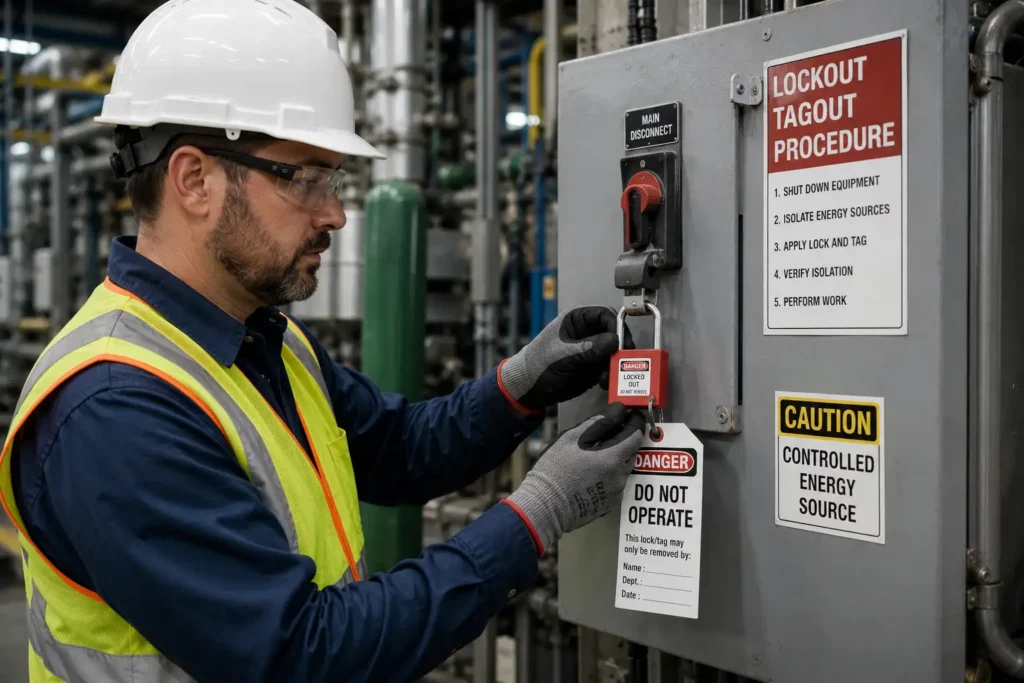
Lockout/Tagout
This course outlines the proper lockout/tagout practices and procedures for employees working with electrical, mechanical, hydraulic, pneumatic, chemical, thermal and other energy sources; the importance of controlling hazardous energy sources, and the necessary OSHA requirements to protect employees who may be exposed to these hazards.
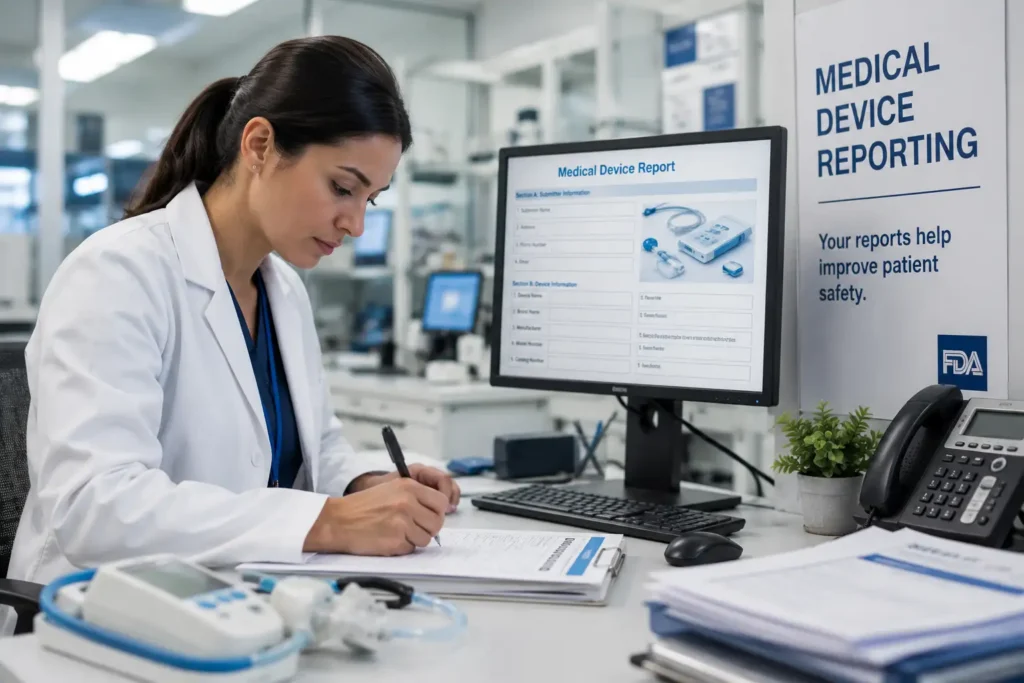
Medical Device Reporting
This course provides you with the information you will need to comply with Medical Device Reporting (MDR) requirements including how medical devices are categorized, reporting of adverse events, the difference between mandatory and voluntary MDR, establishing MDR written procedures, records, files and procedures for complying with FDA medical device recall actions.
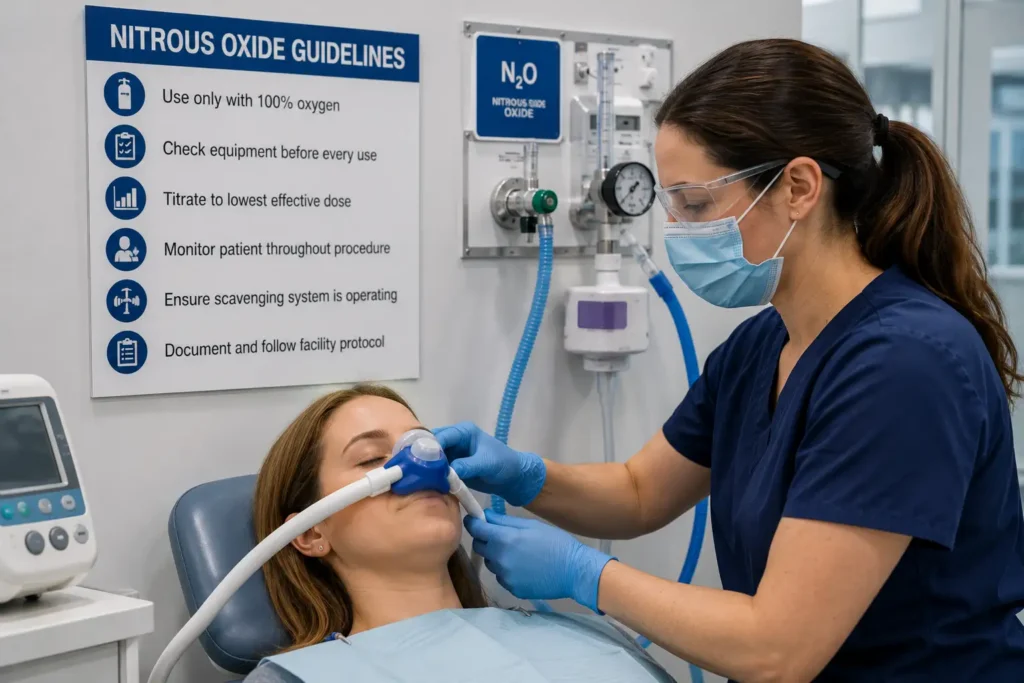
Nitrous Oxide Facts and Guidelines
The purpose of this course is to familiarize employees with facts about nitrous oxide, its legitimate uses, its effect on the body when abused and the recommended guidelines for selling and storing.
Occupational Health and Industrial Hygiene
This course addresses the importance of applying industrial hygiene principles developed by the Occupational Safety and Health Administration (OSHA) to make the workplace a safe environment for all employees through engineering, work practice and administrative controls.
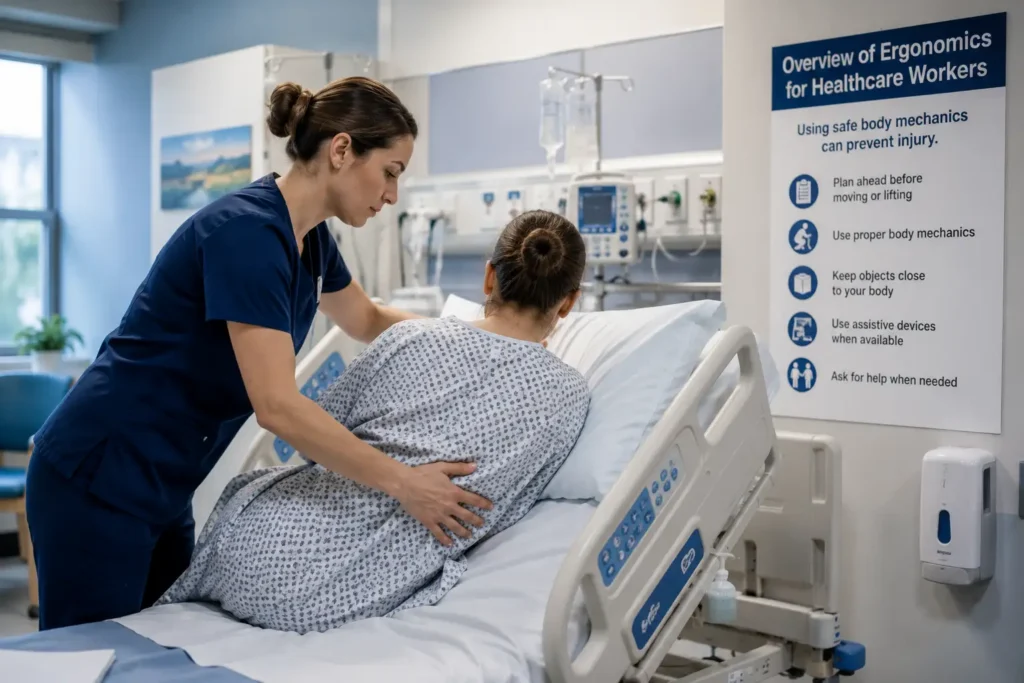
Overview of Ergonomics
This course outlines the ergonomic fundamentals to all health care workers, the potential hazards common to the health care industry and possible solutions to overcome potential ergonomic hazards.
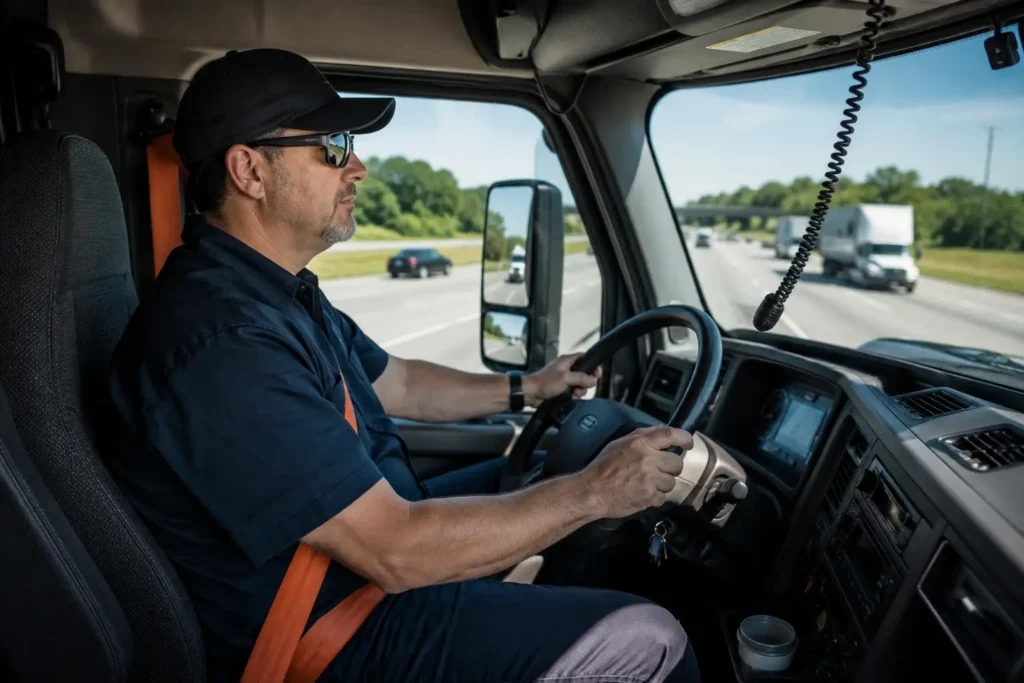
Driver Training
This course is presented in 6 sections and covers the Department of Transportation’s (DOT) driver’s rules and regulations which include: qualifications to drive, preparing to leave, loading and securement, driving rules, making the delivery, and key regulations for returning home.
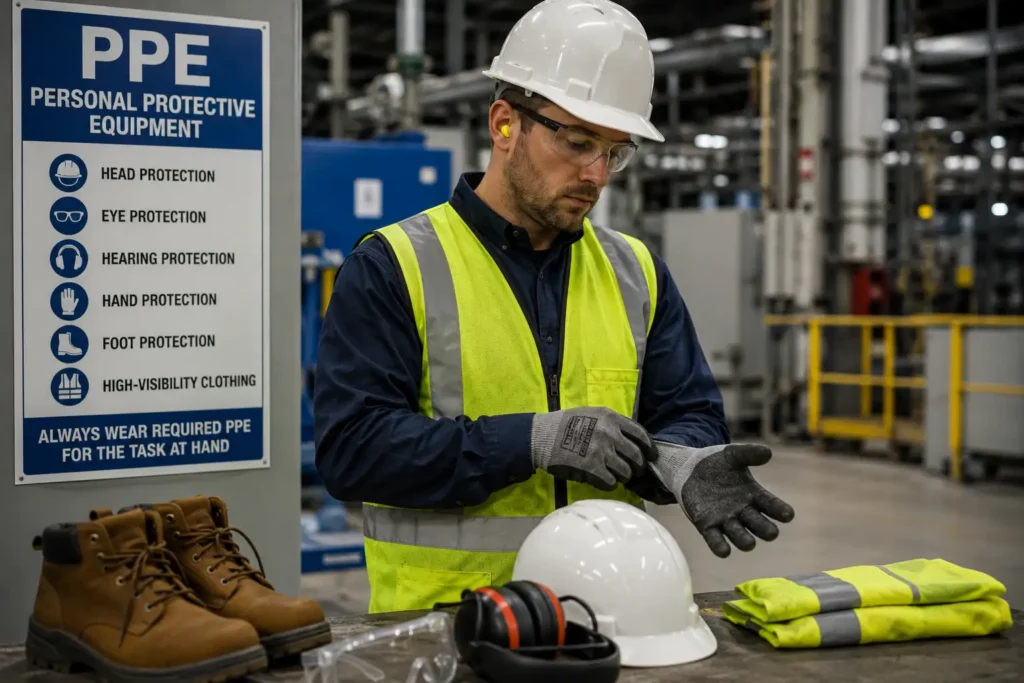
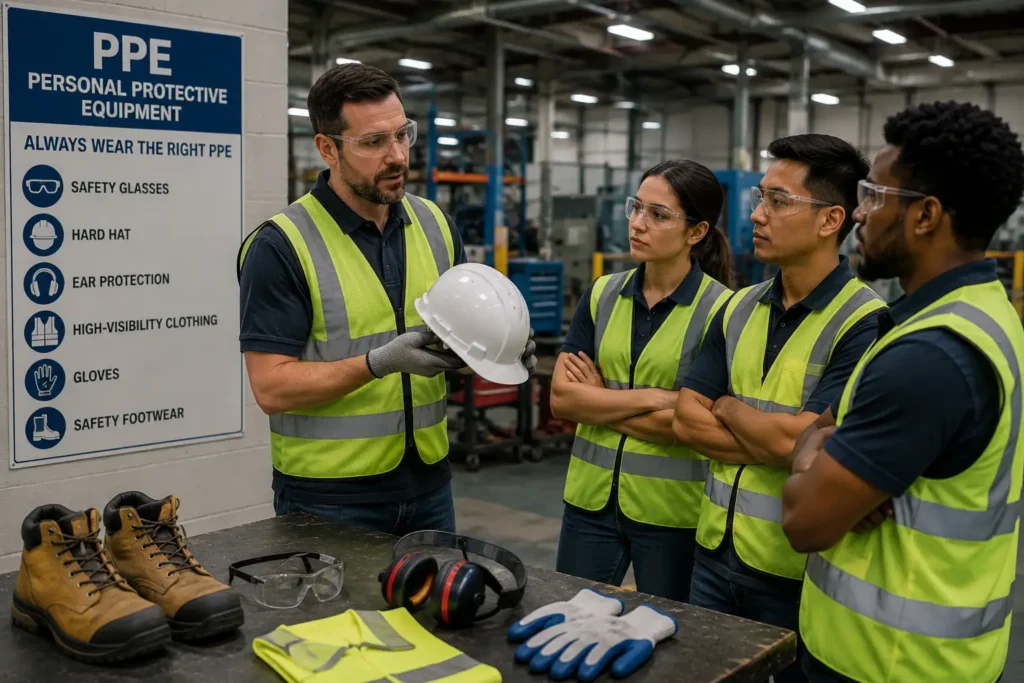
Personal Protective Equipment-Part 1
Part 1 of this course illustrates the responsibilities you and your employer have regarding PPE, the different types of PPE and how each piece of PPE should be used.
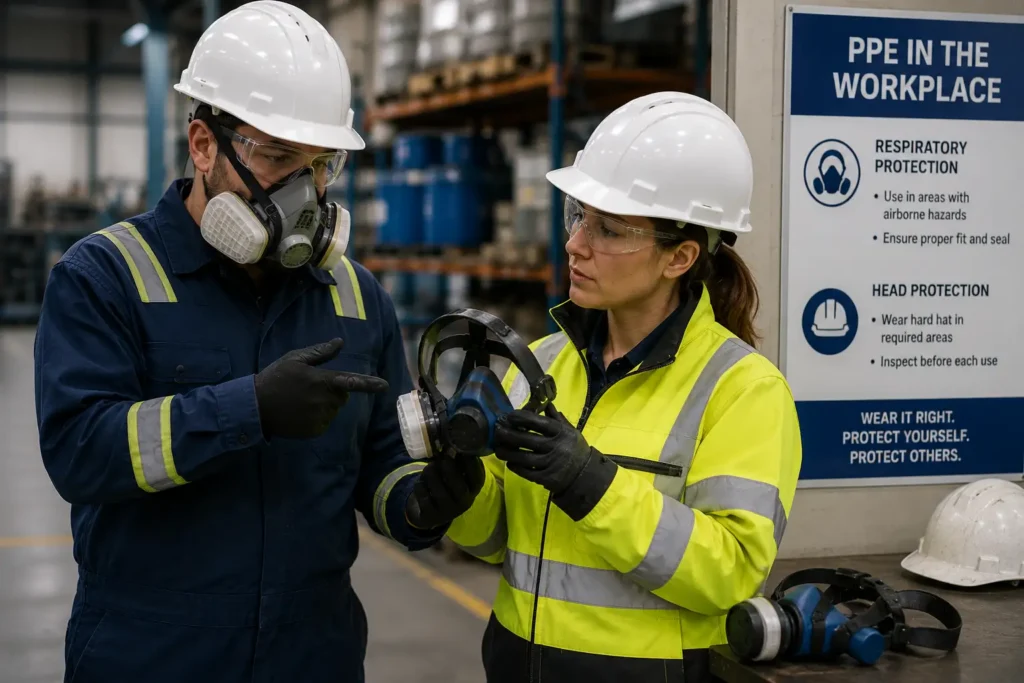
Personal Protective Equipment-Part 2
Part 2 of this course concentrates on the importance of respiratory and head protection.
Personal Protective Equipment-Part 3
Part 3 of this course explains the importance of protecting your hearing, hands and feet.
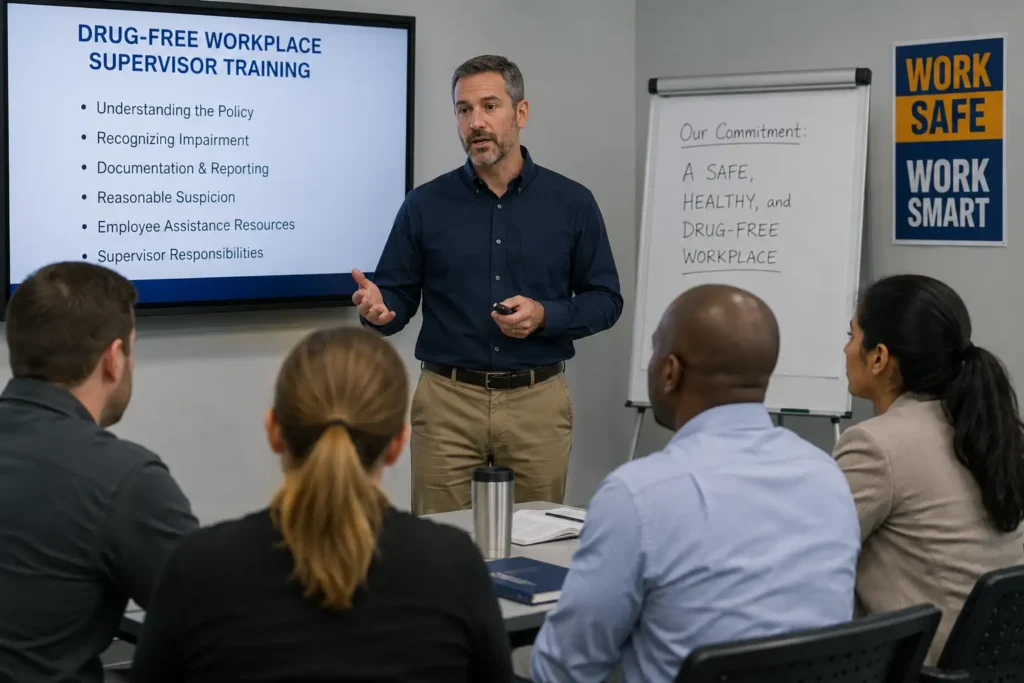
Drug-Free Workplace Supervisor Training
This course concentrates on ways for supervisors to recognize evidence of employee drug or alcohol abuse, how to document and conduct an appropriate investigation related to substance abuse, how to validate and confront an employee with a substance abuse problem and identify ways to implement basic requirements for drug testing.
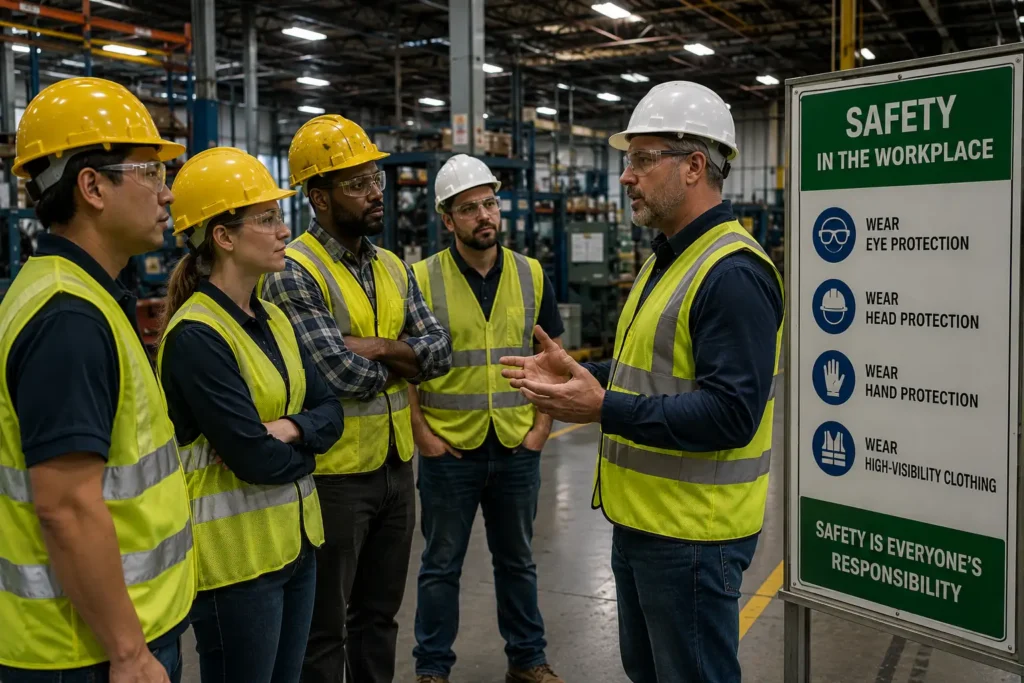
Safety in the Workplace-Part 1
Part 1 of this course explains the scope of safety responsibilities between employees and managers; how to recognize, analyze and control safety hazards; and define the different types of inspections that may occur.
Safety in the Workplace-Part 2
Part 2 of this course highlights various subjects ranging from inspections you can expect on the job; policies and procedures involving the equipment you may be using; reporting and investigating accidents; and creating a successful safety committee.
Employment Law
This course provides an overview of Federal Employment Law and the principles on which it is based using key employment law principles and laws that apply to your company, regulations for posting notices and how to contact the federal agencies that deal with small businesses.
Ergonomics: Computer Workstations-Part 1
Part 1 of this course provides an overview of inexpensive and simple principles to minimize or eliminate identified workstation problems and how to create a “custom fit” workstation.
Ergonomics: Computer Workstations-Part 2
Part 2 of this course explains the potential hazards of using computer monitors, keyboards and pointing devices as well as possible solutions to eliminate those hazards.
Ergonomics: Computer Workstations-Part 3
Part 3 of this course explains the potential hazards of using palm supports, document holders, desks, chairs and phones as well as possible solutions to eliminate those hazards.
Toxicology and Exposure
This course provides a summary of general toxicological principles on how to identify the properties of a material; the material and factors that influence toxicological exposure; how dosage, duration and route entry play a role in toxicological exposure; and how to guard against the toxic effects of materials found in the workplace or jobsite.
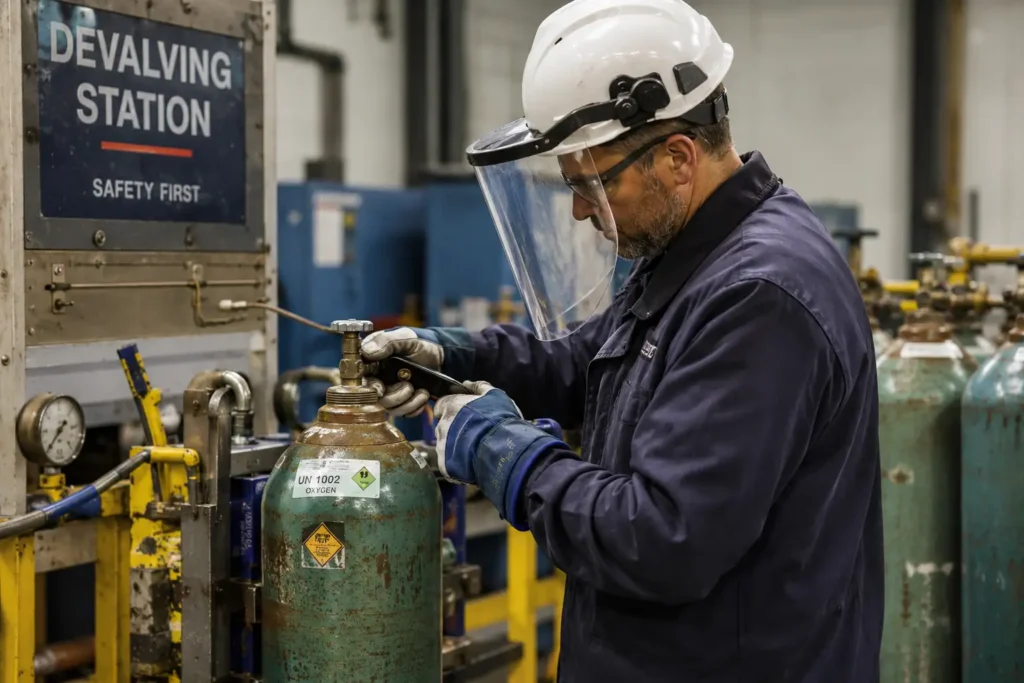
Devalving Compressed Gas Cylinders
This course explores the hazards of devalving compressed gas cylinders, requirements and recommendations for devalving compressed gas cylinders, and devalving guidelines.
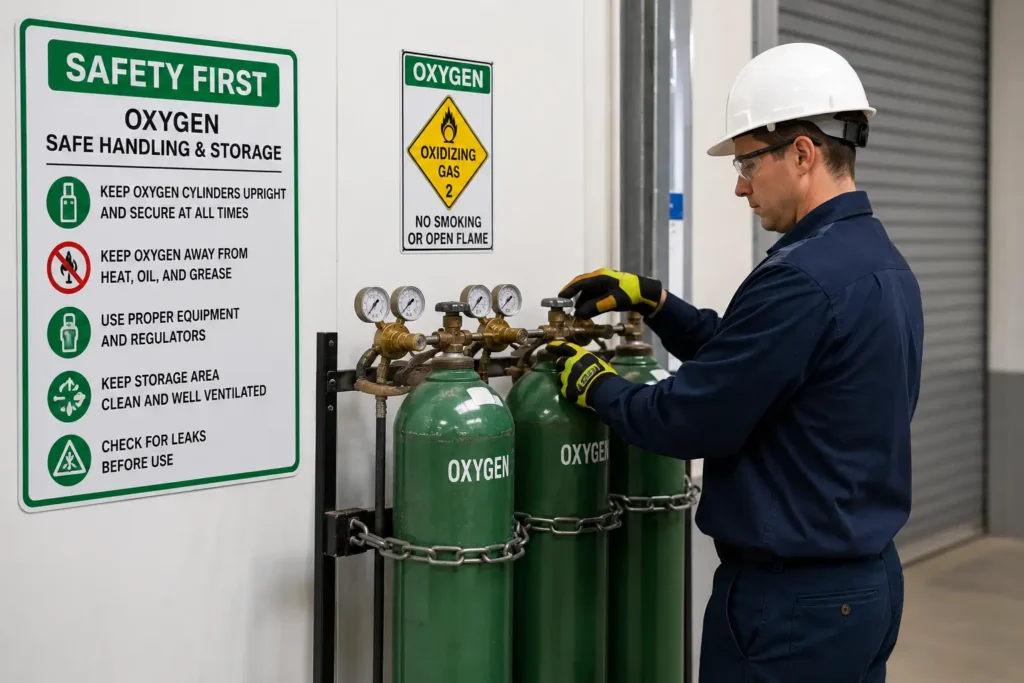
Oxygen Safe Handling & Storage
This course provides basic safety information to inform the user so that hazards are understood and risks are mitigated and covers the following areas: oxygen properties, working around oxygen, fire hazards, oxygen leaks, spills, cleaning and materials of construction.
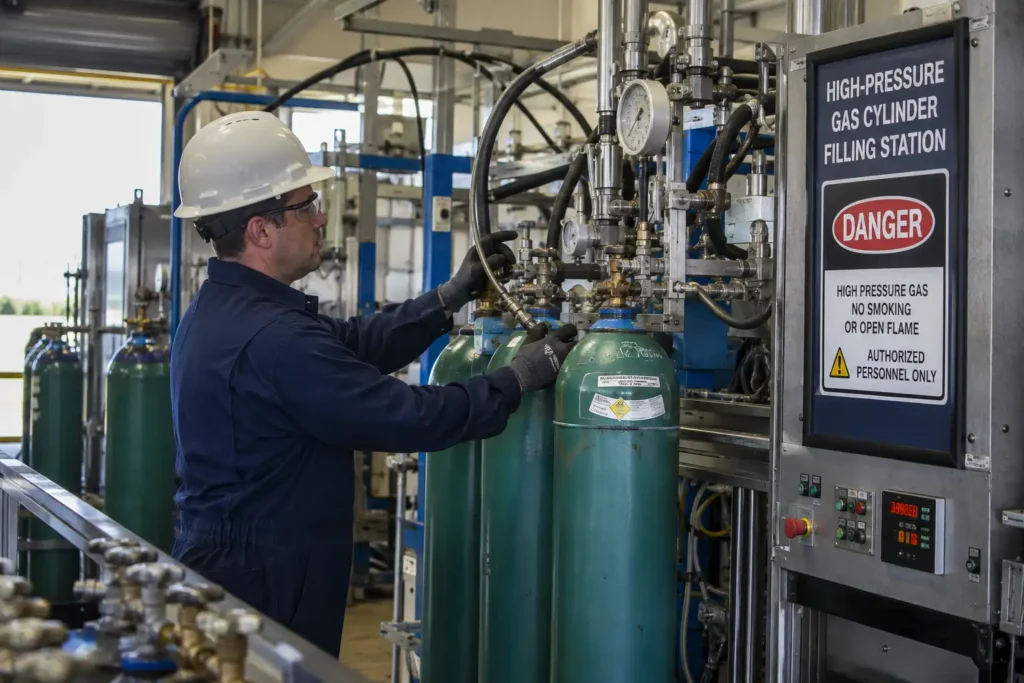
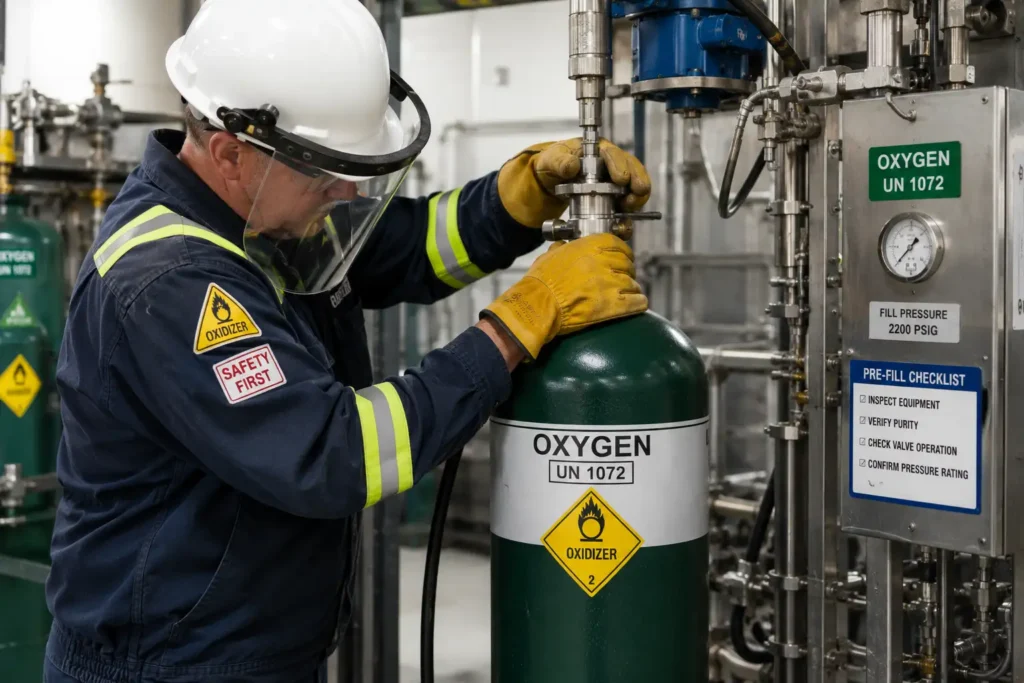
Filling of HIGH-PRESSURE Industrial Gas Cylinders
This course discusses oxygen properties and hazards, cylinder filler qualification and trainer, cylinder filler personal protective equipment or PPE, cylinder and valve types, cylinder markings, pre-cylinder inspections, filling cylinders and labeling.
Safe Handling of Acetylene Cylinders
This course covers what acetylene is, acetylene cylinder and equipment overview, the safe handling of acetylene cylinders, and acetylene cylinders in fire situations.
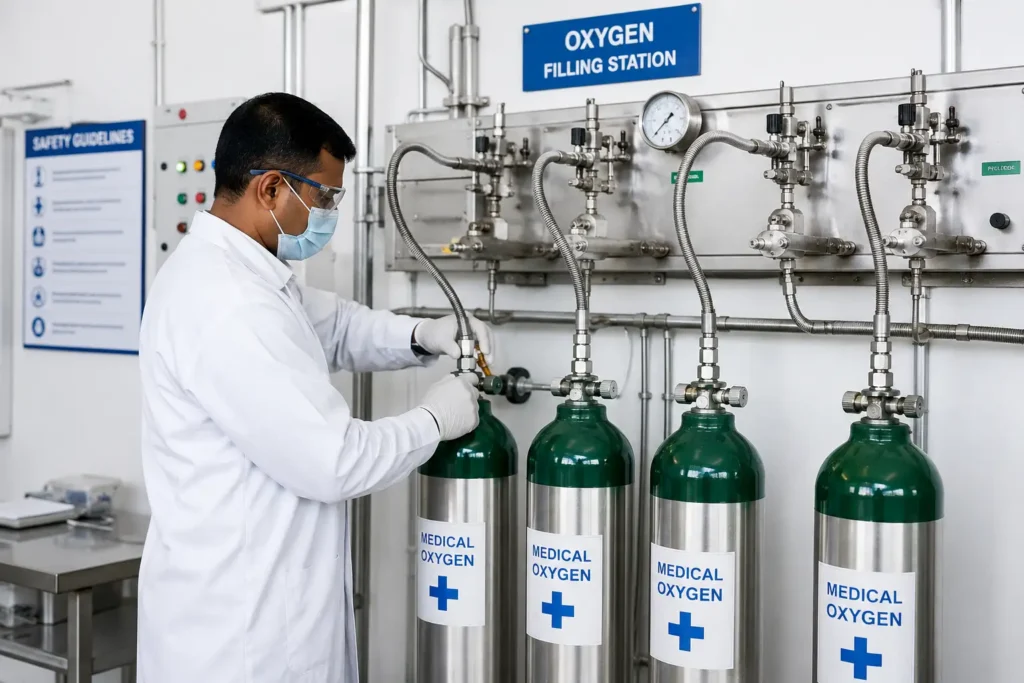
Filling of High-Pressure Medical Oxygen Cylinders
This course discusses oxygen properties and hazards, cylinder filler qualification and trainer, cylinder filler personal protective equipment or PPE, cylinder and valve types, cylinder markings, pre-cylinder inspections, filling cylinders and labeling.
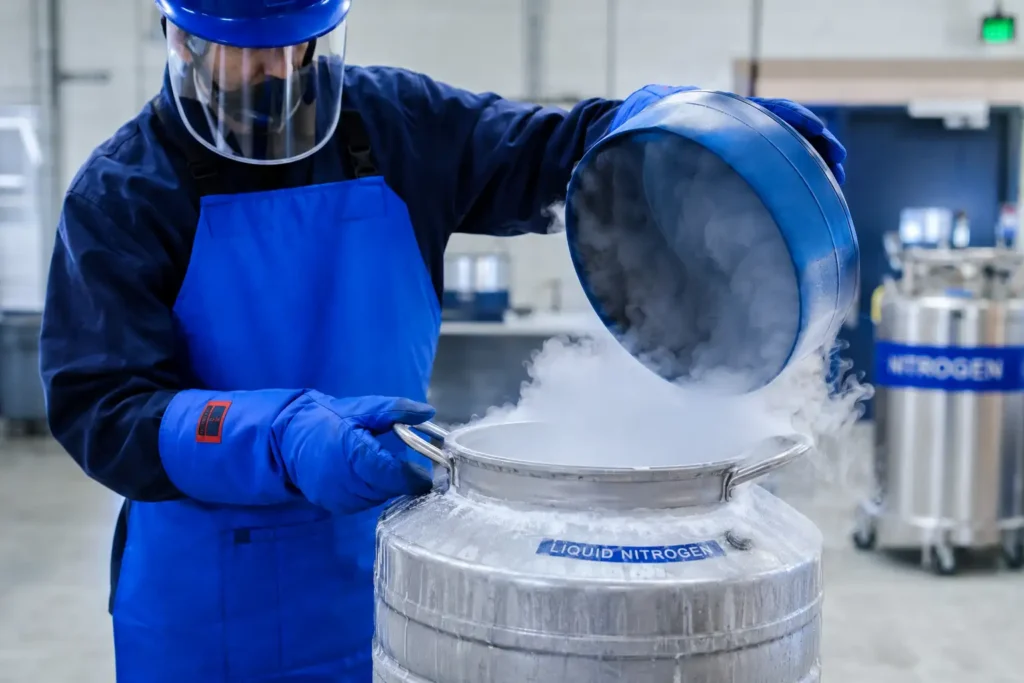
Safe Handling of Cryogenic Liquids in Portable Containers
This course is intended to provide an overview of the following areas related to cryogenic liquids: properties and characteristics, container and equipment, safe storage/handling and use.
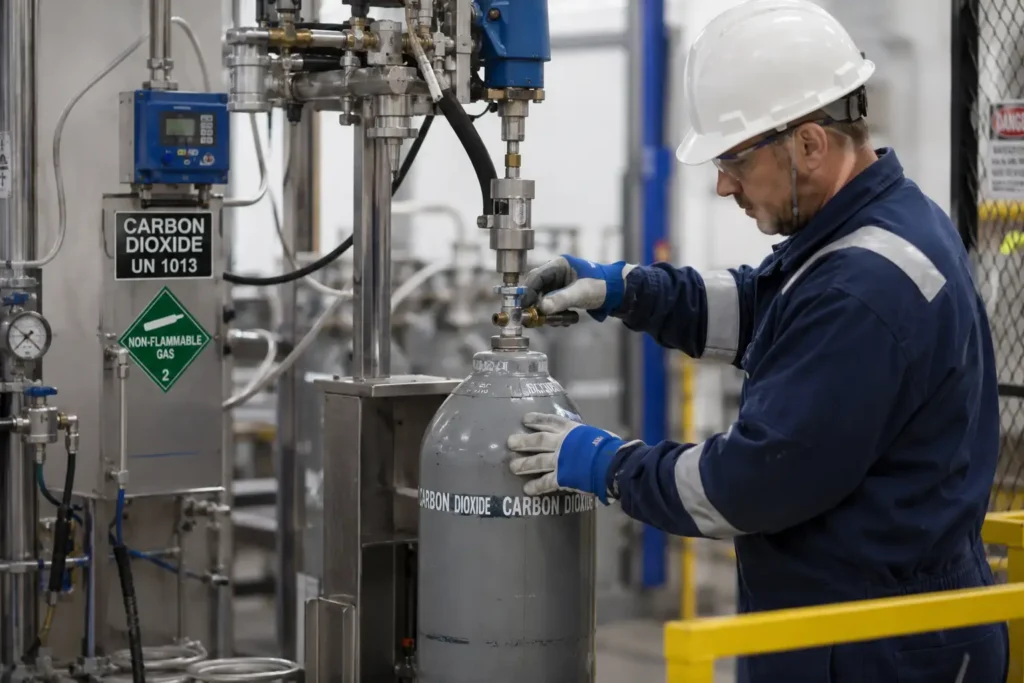
Filling of Uninsulated Carbon Dioxide Cylinders
This course explains carbon dioxide properties and hazards, cylinder filler personal protective equipment or PPE, types of cylinders and valves commonly used, cylinder markings, pre-fill cylinder inspection, preparation of cylinders for filling, filling cylinders, handling and storage of full cylinders.
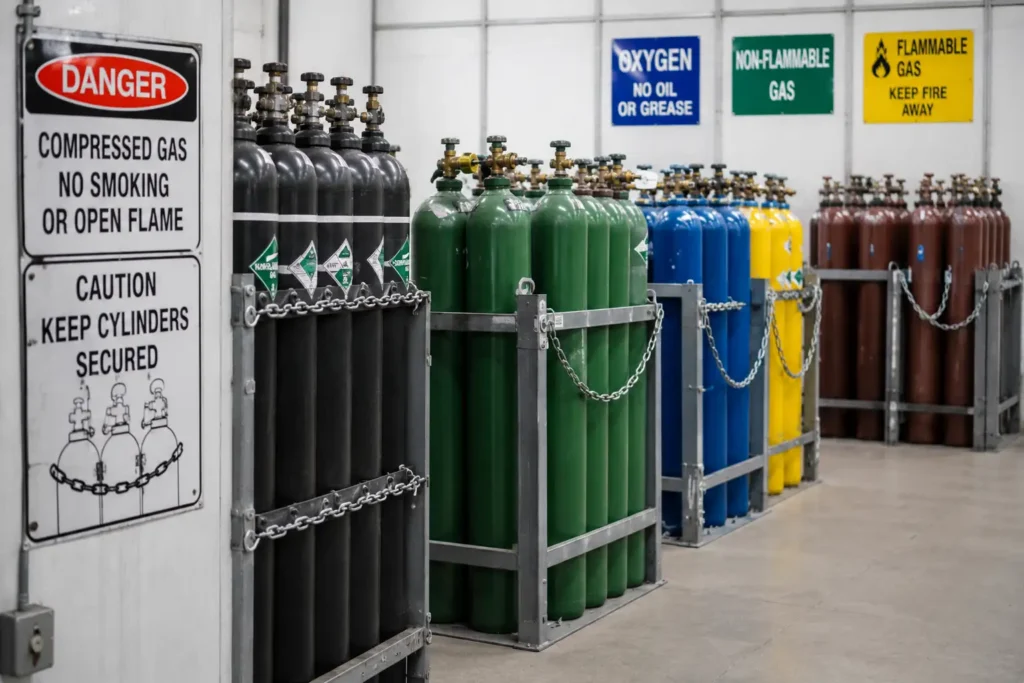
Safe Handling and Storage of Compressed Gases
This course covers cylinder and container examples/markings; equipment examples; understanding labels, symbols or pictograms and product classification; moving, storing connecting and using cylinders and containers; emergency response and site security; regulations.
Hydrogen Emergency Response
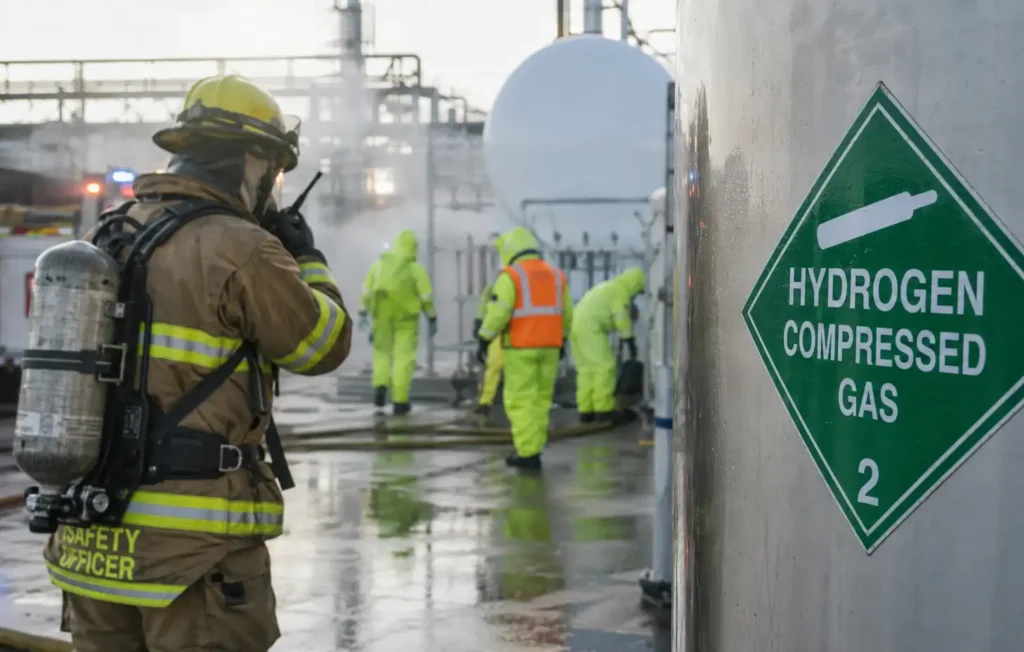
This course provides an overview of the physical and chemical characteristics of hydrogen, what you should know about hydrogen equipment and how to respond in various emergency situations.
Safe Preparation of Compressed Oxidant-Fuel Gas Mixtures
This course introduces the minimum recommendation for the safe preparation of compressed oxidant-fuel gas mixtures and cylinders, avoiding risks by applying key principles for compressed oxidant-fuel gas manufacturer, manufacturing of oxidant-fuel gas mixtures, gas mixing: equipment, preparation, filling, analysis, disposal and emergency planning.
Introduction to Compressed Gas Cylinder Valves
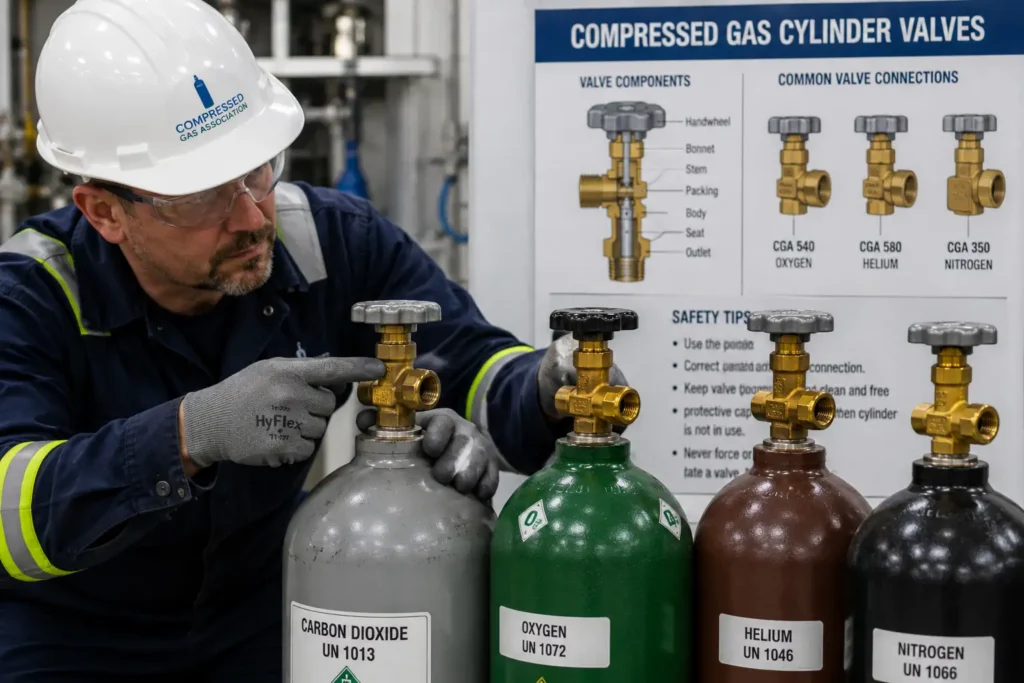
This course provides an overview of basic valve terminology; valve types, how they operate, where they are used and materials of construction; cylinder valve outlets and pressure relief devices.
Specialty Gases and Specialty Gas Mixtures
This course touches on what differentiates specialty gases and specialty gas mixtures from an industrial gas or mixture, types of specialty gases and gas mixtures, how specialty gas mixtures are prepared, specific cautions when preparing specialty gas mixtures, and how CGA publications can assist in their classification and handling.
Introduction to Periodic Requalification
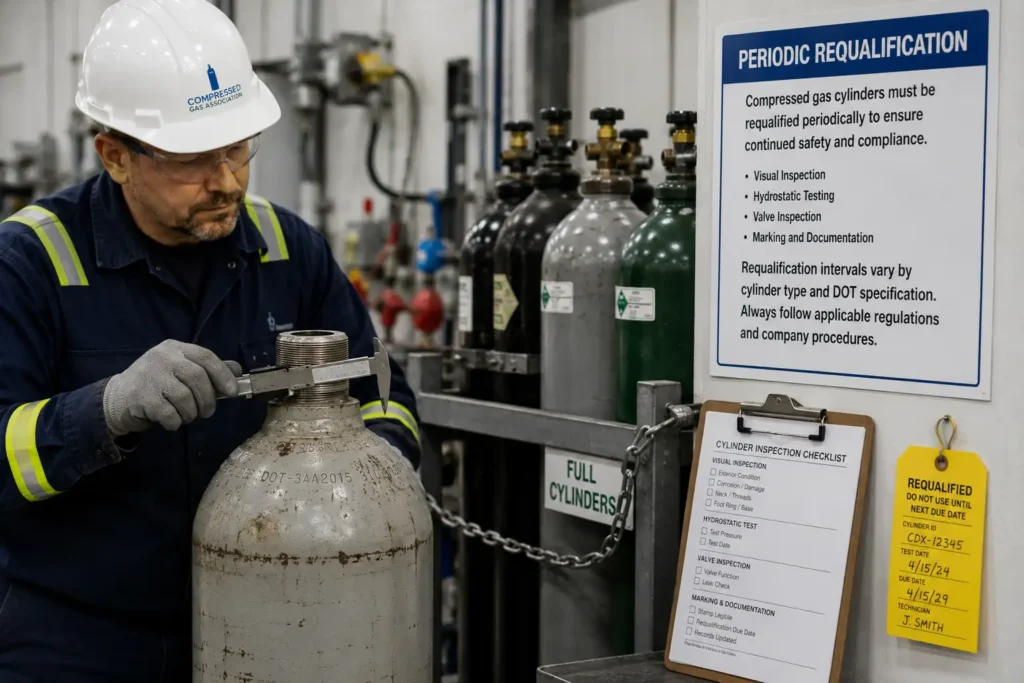
This course includes information on what periodic requalification is and why it is essential, considerations for periodic requalification, overview of steps during periodic requalification, different methods of periodic requalification, what happens after periodic requalification, and periodic requalification resources.
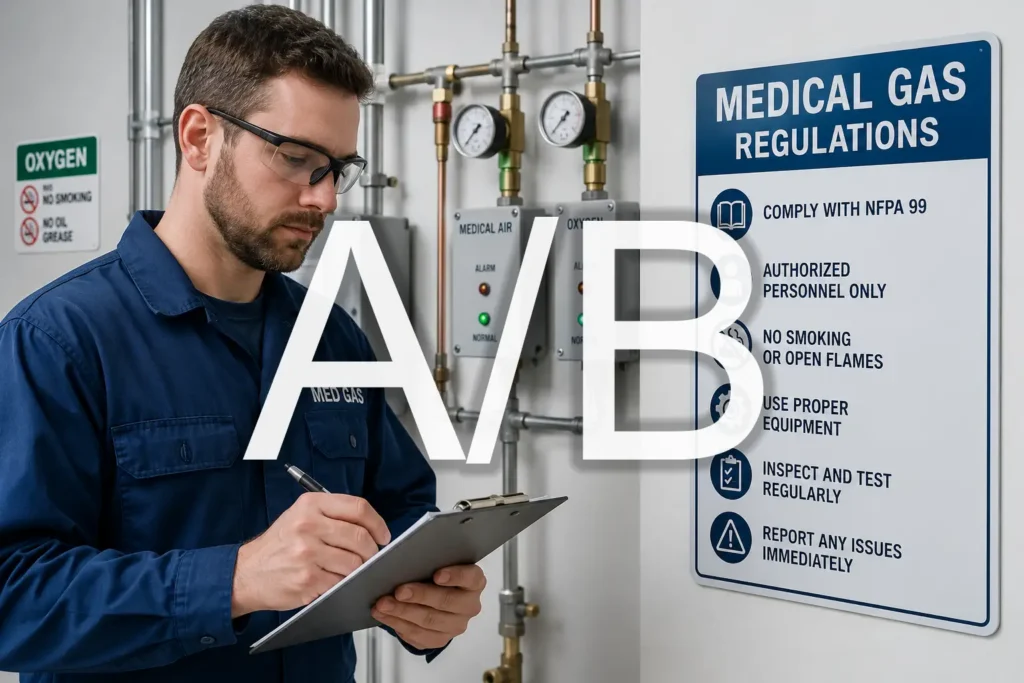
CGMP: NEW MEDICAL GAS REGULATIONS PARTS A/B
Parts A/B of this presentation informs you about current medical gas regulations, definitions and interpretations contained in section 201 of the Food, Drug and Cosmetic Act, organization, personnel, training and a quality unit.
CGMP: New Medical Gas Regulations Part C
Subpart C of this presentation offers a more detailed look at the new regulations relating to buildings and facilities such as site maps and written procedures.
CGMP: New Medical Gas Regulations Part D
Subpart D of this presentation offers a more detailed look at the new regulations relating to equipment used for making medical gases.
CGMP: New Medical Gas Regulations Part E
Subpart E of this presentation offers a more detailed look at the new regulations for control of incoming designated medical gas, components, and medical gas containers and closures.
CGMP: New Medical Gas Regulations Part F
Subpart F of this presentation offers a more detailed look at the new regulations for written production and control procedures; deviations, charge-in of components, general industry standards guidance, sampling and testing of in-process materials.
CGMP: New Medical Gas Regulations Part G
Subpart G of this presentation offers a more detailed look at the new regulations for establishing requirements for packaging and labeling operations for designated medical gases.
CGMP: New Medical Gas Regulations Part H
Subpart H of this presentation offers a more detailed look at the new regulations for establishing requirements for the holding and distribution of designated medical gases.
CGMP: New Medical Gas Regulations Part I
Subpart I of this presentation offers a more detailed look at the new regulations for establishing requirements for laboratory controls used to ensure designated medical gases meet specifications for identity, strength, quality and purity.
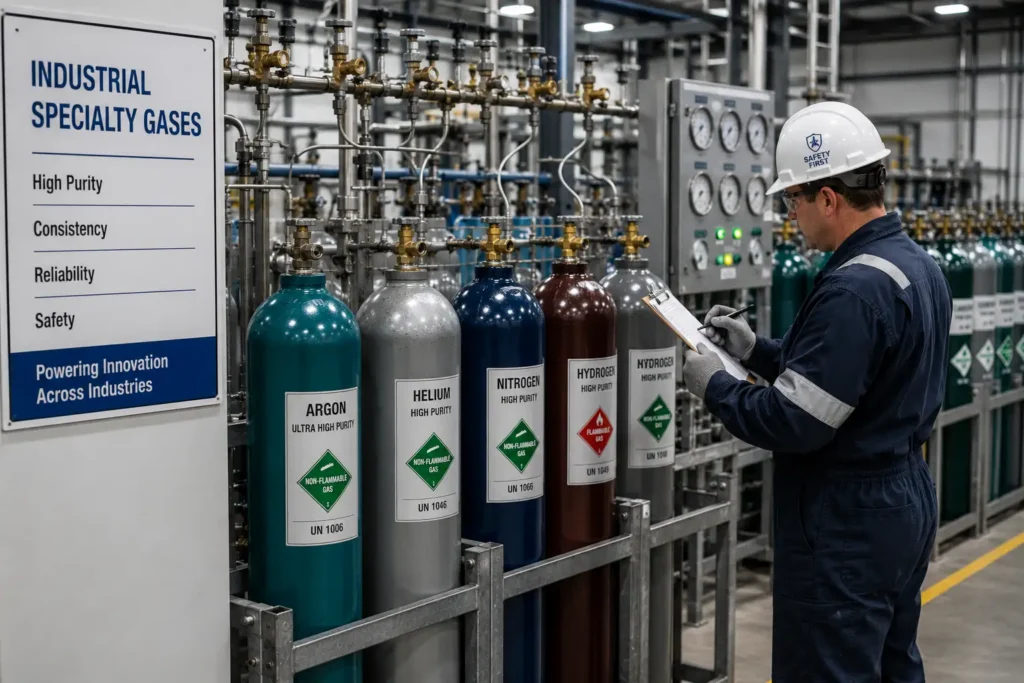
CGMP: New Medical Gas Regulations Part J
Subpart J of this presentation offers a more detailed look at the new regulations for establishing requirements for records and reports used to demonstrate compliance with CGMP for designated medical gases.
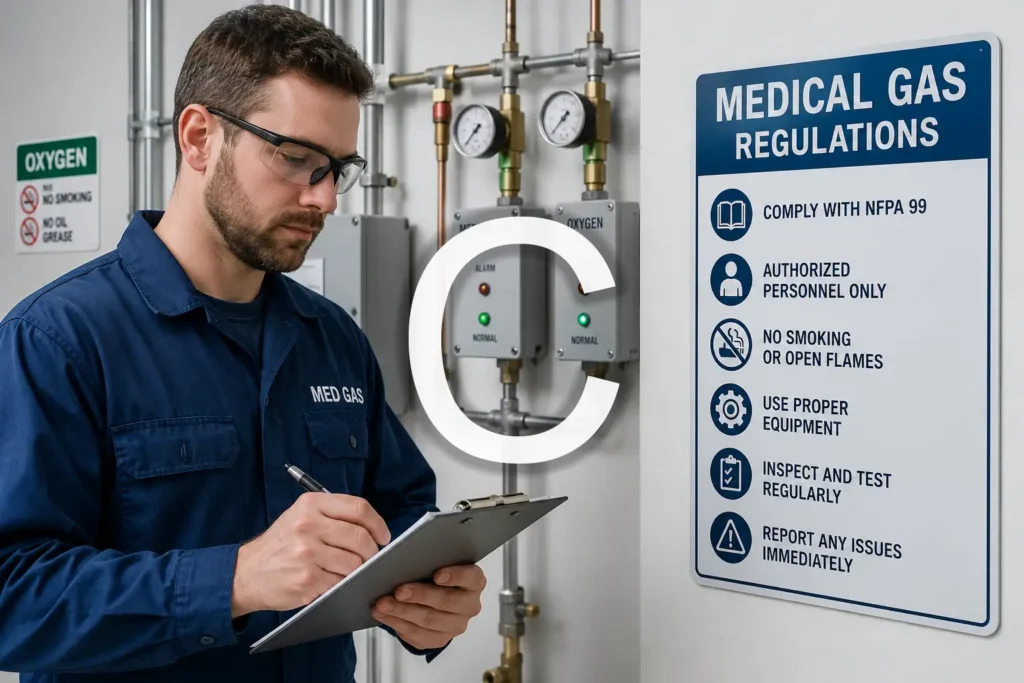
CGMP: New Medical Gas Regulations Part K
Subpart K of this presentation offers a more detailed look at the new regulations for establishing requirements for the handling, evaluation, and disposition of returned and salvaged designated medical gases.